
Key Takeaways
Maintenance emergencies involve immediate safety hazards, essential service failures, or damage that could quickly worsen without intervention.
Clear reporting instructions, reliable after-hours contacts, and established vendor procedures help landlords respond efficiently and limit repair costs.
Las Vegas and Henderson landlords should prepare for extreme heat, cooling failures, and flash flooding while following Nevada's habitability requirements.
A burst pipe, suspected gas leak, or failed air conditioner can leave Las Vegas rental property owners making urgent decisions outside regular business hours.
Knowing which maintenance issues require immediate attention helps protect tenants, prevent additional damage, and control unexpected expenses.
At Ravago Group Properties, we understand the importance of responding quickly to maintenance concerns while distinguishing genuine emergencies from routine repairs.
Here's how Las Vegas and Henderson landlords can identify urgent hazards and handle maintenance requests effectively.
What Qualifies as an Emergency Maintenance Request?
An emergency generally involves an immediate threat to health or safety, a loss of essential services, or active property damage that could worsen quickly. Common examples include:
Fire or visible smoke: Occupants should evacuate and call 911 before contacting property management.
Suspected gas leaks: Anyone smelling gas should leave immediately, avoid operating electrical switches, and contact emergency services or the gas utility from a safe location.
Burst pipes or uncontrolled flooding: Significant leaks require rapid action to limit structural damage and mold-related concerns.
Sewage backups: Wastewater entering living spaces creates sanitation hazards that require professional attention.
Dangerous electrical conditions: Sparking outlets, exposed live wires, and burning smells can indicate fire or shock risks.

Broken exterior locks or doors: A property that cannot be secured may require an emergency locksmith.
Major storm damage: Roof leaks, damaged windows, or flooding that expose the interior warrant immediate assessment. Flash flood safety guidelines can help prevent injuries and further property damage.
Loss of essential utilities: Interruptions to running water, electricity, heating, or other required services must be evaluated promptly, including whether a utility provider is responsible.
The circumstances determine severity, and an emergency list cannot override legal obligations.
Why Air Conditioning Requires Special Attention
A cooling failure in the Las Vegas Valley can quickly become a safety concern during extreme heat. Cooling failures deserve prompt evaluation rather than an automatic next-business-day appointment.
Nevada Revised Statutes (NRS) 118A.290 requires landlords to maintain air-conditioning equipment in good repair when supplied or required.
NRS 118A.380 also addresses failures to provide essential services, including air conditioning, when the statutory conditions are met.
Owners should review the applicable notice and repair requirements.
Schedule preventive HVAC inspections, replace filters as appropriate, and establish access to qualified technicians for after-hours failures. Consider temporary cooling arrangements for prolonged outages.
Urgent Repairs Versus Routine Maintenance
Some issues require quick attention without necessarily creating an immediate emergency.
A malfunctioning refrigerator, minor plumbing leak, or appliance failure may fall into this category when no active hazard exists.
A failed sole toilet or loss of hot water may involve essential-service obligations.
Routine requests generally include squeaky doors, cosmetic damage, minor fixture adjustments, and nonhazardous appliance concerns. Schedule these during business hours, consistent with the lease and Nevada law.
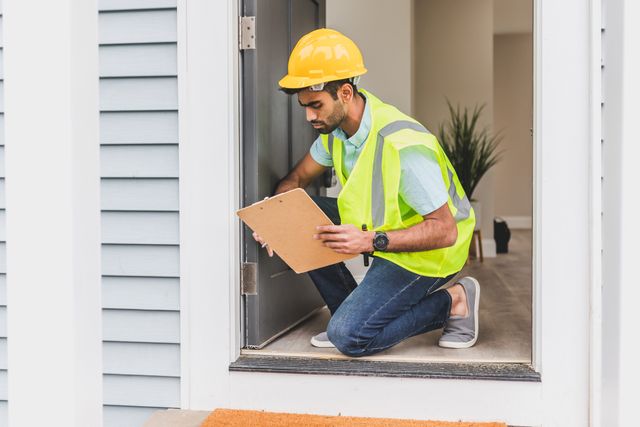
Rather than relying only on labels, ask whether anyone is in danger, whether the unit remains usable, and whether the problem is causing additional damage. Encourage tenants to report minor problems before they escalate.
Following a consistent rental property maintenance plan can help identify developing issues and reduce unexpected repair costs.
Preparing Rentals for Heat and Flash Flooding
Emergency planning should reflect local conditions. High summer temperatures place heavy demands on cooling systems, while intense thunderstorms can create flash flooding, roof leaks, and drainage problems across the Las Vegas Valley.
Inspect roofs, seals, exterior drainage, and HVAC equipment regularly.
Review the National Weather Service's flood preparedness recommendations to identify potential risks, clear debris from drainage paths, and address standing-water issues before storms.
Regular inspections and preventive maintenance are important parts of protecting your rental property from unexpected damage, particularly during extreme weather.
What Tenants Should Do During an Emergency
Provide tenants with accessible, written instructions explaining how to:
Prioritize safety. Evacuate if the property is dangerous and call 911 for fires, medical emergencies, or immediate threats.
Contact the appropriate utility. Report suspected gas leaks or neighborhood-wide service outages to the provider, when safe to do so.
Notify management immediately. Use the designated emergency number and describe the location, severity, and whether the damage is spreading.
Limit damage only when safe. Shut off a water valve if its location and operation are known; avoid electrical equipment or hazardous areas.
Provide supporting details. Share photographs when safe and remain available for repair updates and access arrangements.

Nevada law also requires landlords to disclose an emergency telephone number for a responsible person meeting the location requirements of NRS 118A.260. Keep this information current and test the contact process to avoid missed reports.
How Landlords Should Handle Emergency Calls
Establish response protocols in advance, including:
Triage: Identify immediate dangers, essential-service interruptions, and signs of ongoing damage.
Vendor dispatch: Maintain contacts for licensed or appropriately qualified plumbers, electricians, HVAC technicians, roofers, locksmiths, and restoration specialists.
Spending approvals: Set reasonable authorization limits and specify when the owner must be contacted.
Communication: Acknowledge the report, explain the next steps, and update tenants if access or parts delay repairs.
Documentation: Record reported conditions, response times, photos, invoices, work performed, and follow-up inspections.
After containing the hazard, check for hidden moisture, damaged wiring, or recurring problems. Keep a centralized maintenance log so owners can track vendor performance, recurring costs, and unresolved issues across the property.
Nevada Repair Obligations and Insurance
Under Nevada's residential landlord-tenant laws, particularly NRS 118A.290, landlords must maintain habitable rental housing, including essential plumbing, weather protection, and applicable heating and cooling systems.
NRS 118A.380 sets out additional procedures and possible tenant remedies for qualifying failures of essential services. Consult an attorney for disputes or unusual circumstances.
Responsibility for costs also depends on the cause. Landlords generally handle repairs required to maintain habitability, while tenants may be responsible for damage resulting from their deliberate or negligent actions, subject to Nevada law.

Review landlord insurance coverage for water damage, storms, liability, and potential loss of rental income. Encourage renters insurance for tenants' personal property, and report significant losses to the insurer promptly.
Common Emergency Maintenance Mistakes
Common mistakes include:
Leaving emergency definitions or reporting instructions out of move-in materials.
Using an after-hours number without reliable coverage or a backup contact.
Delaying essential-service repairs because the problem appears inconvenient rather than dangerous.
Sending an unqualified vendor to handle electrical, gas, or structural hazards.
Failing to document the cause, repair work, and remaining damage.
Bottom Line
Emergency maintenance requires a balance of speed, safety, and sound judgment. Clear reporting procedures, reliable contractors, and preventive inspections help landlords address urgent issues before they lead to costly damage.
For Las Vegas and Henderson rental property owners, professional property management can simplify these responsibilities.
An experienced property manager can coordinate emergency repairs, communicate with tenants, and oversee maintenance work to minimize disruptions and protect your investment.
Frequently Asked Questions
What is considered emergency maintenance in a rental property?
An immediate safety hazard, significant active damage, or a serious essential-service failure may require emergency attention. Examples include gas leaks, burst pipes, sewage backups, electrical hazards, and unsecured exterior doors.
Is broken air conditioning an emergency in Las Vegas?
It can be, particularly during extreme heat. Nevada requires supplied or legally required air-conditioning equipment to be maintained, and certain essential-service failures trigger additional statutory protections. Evaluate cooling outages promptly.
Who should tenants call when an emergency occurs?
For immediate danger, tenants should evacuate and contact emergency services first. They should then notify the landlord or property manager through the designated emergency number.
How quickly must a landlord fix an emergency repair?
The appropriate response depends on the hazard and relevant Nevada statutes. NRS 118A.380 provides specific procedures for qualifying essential-service failures, so landlords should not apply one deadline to every repair.
Who is responsible for emergency maintenance costs?
Landlords generally pay for repairs needed to maintain a habitable property. Tenants may be responsible for damage caused by negligent or deliberate conduct, depending on the facts and applicable law.