
_4.jpg)
Key Takeaways
A property manager handles the business side of a rental, including marketing, screening, leases, rent collection, accounting, maintenance coordination, and compliance.
A resident manager typically lives at the property and provides on-site support, such as monitoring common areas, responding to routine concerns, and reporting problems.
Single-family homes, condos, and townhomes in the Las Vegas Valley generally rely on professional property management rather than a resident manager.
Owners comparing a property manager vs. resident manager often assume the two roles overlap heavily. In practice, they serve different purposes. One manages the business, financial, and administrative side of the rental. The other provides an on-site presence and helps address day-to-day property concerns.
At Ravago Group Properties, we manage rentals across the Las Vegas Valley and Henderson, and owners sometimes confuse these responsibilities. Here is what each role does and how to determine whether your Las Vegas rental may need one, both, or neither.
What a Property Manager Does Off-Site
A property manager is a person or company hired to oversee the business operations of a rental property. In Nevada, property management activities performed for others may be subject to licensing and permit requirements, so owners should confirm that any manager they hire holds the appropriate credentials.
Leasing and Screening
A property manager typically handles marketing, inquiries, showings, applications, screening, lease preparation, and move-in coordination.
Applicant screening should follow clear, written criteria that are applied consistently and in accordance with federal, state, and local fair housing requirements.

Depending on the property and screening process, landlords may use information from consumer reports, along with lawful criteria such as income verification, rental history, and identity verification.
A resident manager may help with showings or provide application materials, but qualification decisions are generally handled through the property's established leasing and screening process.
Accounting and Compliance
Property management also includes rent collection, owner disbursements, financial reporting, recordkeeping, and coordination of property-related expenses. Many professional management companies provide owners with an online portal where they can access statements and other financial records.
Compliance is another important part of the role. Rental advertising, leases, deposits, notices, rent changes, property access, and lease termination can all be subject to specific legal requirements.
Because those requirements can change, landlords and property managers should confirm current Nevada and local rules before taking action. This is general information, not legal advice.
What a Resident Manager Does On-Site
A resident manager typically lives at the property and works for the owner or management company. The primary benefit of the role is an on-site presence.
Depending on the property and assigned responsibilities, a resident manager may monitor common areas, notice maintenance issues, provide access to vendors, assist with showings, receive routine requests, or report problems to the property manager.
Resident managers do not automatically have authority to set rent, approve applicants, negotiate lease terms, or manage owner funds. Their exact duties should be clearly defined in writing.

Anyone interacting with applicants or residents on behalf of the owner should also receive appropriate training on fair housing requirements and follow established policies rather than making informal or subjective decisions.
Single-family rentals generally do not have a dedicated on-site manager, so professional management companies use other systems to provide oversight. In Nevada, property managers must also meet the state's initial permit requirements before performing regulated property management activities.
When You Need One, Both, or Neither
Single-Family Homes, Condos, and Townhomes
For most single-family homes, condos, and townhomes, professional property management can handle the primary leasing, accounting, maintenance, communication, and compliance responsibilities without a resident manager.
Because these properties usually do not have extensive shared spaces or a large number of residents, a permanent on-site presence is often unnecessary. Scheduled inspections, reliable vendors, documented maintenance procedures, and clear communication channels can provide the oversight an owner needs.
In an HOA community, the association may oversee common areas, exterior maintenance, or shared amenities, while the property manager remains responsible for the individual rental, tenant communication, lease administration, and owner-related coordination.
Small Multi-Family Buildings
A duplex, triplex, or fourplex can fall somewhere in the middle. If the owner lives at the property, they may naturally provide some of the on-site presence a resident manager would otherwise offer.
A professional property manager can still handle leasing, rent collection, accounting, notices, maintenance coordination, and recordkeeping. If the owner lives elsewhere, responsibilities should be clearly assigned so that both administrative and on-site needs are covered.
The right arrangement often depends on how frequently the property requires in-person attention. A building with shared entrances, common areas, or recurring maintenance needs may benefit from more local oversight than a detached rental home.
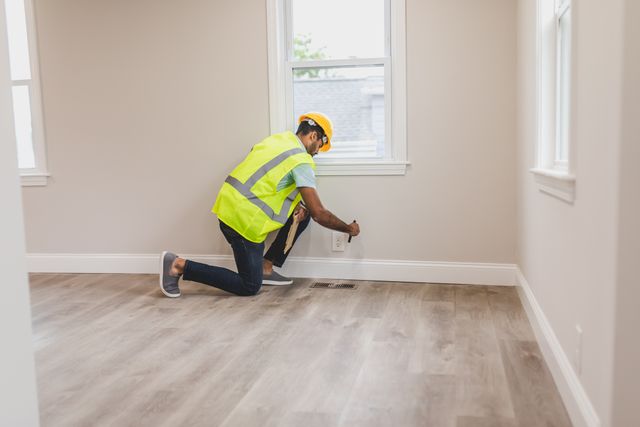
Self-management may be practical for some nearby owners with the time, experience, and systems to handle leasing, maintenance, documentation, and compliance. Owners who live farther away may find self-management more difficult to handle consistently, especially when a repair, inspection, or turnover requires someone to be at the property.
Larger Communities
Larger apartment communities and multi-unit properties are more likely to benefit from both roles. HUD’s guidance on multifamily asset management also reflects the broader management and oversight responsibilities that come with multifamily properties.
That division of responsibility can be especially useful when a property has shared amenities, frequent maintenance activity, multiple vendors, or a higher volume of resident requests.
Responsibilities should be clearly documented. Owners should establish who can approve repairs, who communicates with residents, who handles emergencies, and who provides backup coverage when the resident manager is unavailable. Clear boundaries help prevent duplicated work and make it easier for residents to know who to contact.
Bottom Line
The main difference between a property manager and a resident manager is the responsibility each role carries. Professional property management covers the business side of the rental, including leasing, inspections, maintenance coordination, communication, and compliance, while a resident manager provides on-site support.
For most single-family homes, condos, and townhomes in the Las Vegas Valley, a professional property manager can handle these needs without a dedicated resident manager. Larger communities may benefit from both roles.
Ravago Group Properties is a family-run property management company serving the Las Vegas Valley and Henderson. Request a free rental analysis or book a consultation to find the right management setup for your property.
Frequently Asked Questions
Can a Resident Manager Replace a Property Manager?
Usually not. A resident manager provides on-site support, but that does not necessarily include the systems, authority, or experience needed to manage the business side of the property.
Someone still needs to market vacancies, process applications, prepare leases, collect rent, maintain records, coordinate vendors, and handle required notices. In smaller properties, an owner may take on those responsibilities personally, while larger properties often have the resident manager work alongside a property manager.
Does a Resident Manager Need a Nevada Permit?
It depends on the duties involved. Certain property management activities may require licensing or permits, while more limited on-site responsibilities can be treated differently.
A resident manager who monitors the property and reports maintenance concerns may have different requirements from someone who negotiates leases, handles funds, or makes management decisions. Owners should confirm current requirements with the Nevada Real Estate Division or a qualified attorney before assigning duties.
Who Takes Emergency Calls When Both Roles Exist?
The process should be decided and documented in advance. A resident manager may identify the problem, provide access, or respond on-site, while the property manager coordinates vendors, approvals, documentation, and follow-up.
Residents should know exactly who to contact and have a backup option when the resident manager is unavailable. Properties without an on-site manager can rely on a professional management company to coordinate urgent maintenance requests.
Can an Out-of-State Owner Skip Both Roles?
Yes, but doing so means taking responsibility for the duties a property manager would otherwise handle, including marketing, leasing, rent collection, maintenance coordination, inspections, recordkeeping, and required notices.
Distance can make those responsibilities more difficult, especially when a property needs vendor access, turnover work, an inspection, or a quick maintenance response. Out-of-state owners who self-manage should have reliable local systems and vendors in place.
What Should Owners Put in Writing for a Resident Manager?
Clearly define the resident manager’s duties, schedule, reporting structure, communication responsibilities, and spending authority for repairs.
Also specify which decisions require approval from the owner or property manager, such as applicant decisions, rent changes, lease terms, major repairs, or financial matters. Fair housing and compliance expectations should be included, along with a process for documenting requests, repairs, and important communications.