

_3.jpg)
Key Takeaways
Use active and recently leased comparable rentals near your property to establish a realistic baseline rent range.
Adjust your estimate for square footage, condition, amenities, neighborhood demand, and seasonality.
Las Vegas leasing demand is typically stronger in spring and early summer and softer in winter.
Monitor vacancy, inquiry volume, and leasing speed after listing to determine whether your asking rent is competitive.
A local rental analysis can help validate your estimate with current market data and neighborhood knowledge.
Pricing a rental property in Las Vegas is one of the most important decisions you will make as a landlord.
Set the rent too high and the property may sit vacant while you continue paying the mortgage, taxes, utilities, and other carrying costs. Set it too low and you may leave significant income on the table over the course of the lease.
Fortunately, rental pricing does not have to be guesswork. You can build a reasonable asking-rent range by comparing similar properties, adjusting for differences, and accounting for local demand and seasonal conditions.
Ravago Group Properties has served rental owners across the Las Vegas Valley for more than two decades. Here is a practical framework you can use to estimate what your property may rent for.
Find Comparable Rentals
Start by identifying properties that are similar to yours and either currently listed or recently leased in the same area.
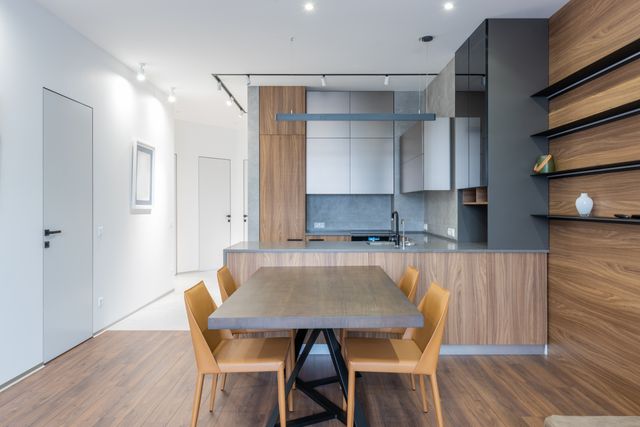
Look for homes that match your property type, bedroom and bathroom count, approximate square footage, condition, and major amenities. Location matters as well.
A property in Henderson's Green Valley may rent differently from a similar home in North Las Vegas, Summerlin, or Sunrise Manor.
Aim to gather several strong comparisons rather than relying on one or two listings. Record the monthly rent, square footage, bedroom and bathroom count, and notable features such as a pool, garage, recent renovations, or HOA-related costs.
Recently leased properties are especially useful because they provide a clearer picture of what renters were willing to pay. Active listings can still help, but remember that asking rent does not always equal final leased rent.
Adjust for Square Footage
Once you have a group of comparable rentals, compare their size with your own property.
One simple method is to calculate rent per square foot by dividing monthly rent by the property's square footage. For example, a 1,200-square-foot property renting for $1,800 works out to $1.50 per square foot per month.
Compare the rates across your strongest comps and use the middle of the range as a baseline. If your property is larger or smaller than most of the homes you found, this gives you a practical way to adjust your estimate.

Square footage should not determine the final rent by itself. Condition, amenities, location, and current demand can all push the final figure higher or lower.
Account for Condition and Amenities
Two homes with similar layouts can command different rents if one is newer, better maintained, or offers more desirable features.
Walk through your property and compare its condition honestly with the homes you are using as comps. Consider the age and condition of the HVAC system, kitchen, bathrooms, flooring, roof, appliances, and exterior.
Following a regular HVAC maintenance checklist can also help preserve system efficiency and reduce the risk of unexpected breakdowns.
If your home is noticeably more updated than nearby alternatives, you may be able to price above the baseline. If it is dated or needs work, a lower asking rent may be more competitive. Regular rental property maintenance can help preserve the condition and value renters compare against competing homes.
Amenities matter too. Pools, garages, renovated kitchens, fenced yards, washer and dryer hookups, and covered outdoor areas can influence what renters are willing to pay.
Rather than assigning an automatic value to every feature, compare how similar homes with and without those amenities are priced in your specific area.
Factor in Neighborhood Demand
Las Vegas Valley neighborhoods do not all perform the same way. Schools, access to employment centers, commute times, nearby amenities, and general renter demand can affect pricing.

Whenever possible, use comps from the same neighborhood or immediate area. If you have to use properties from a different submarket, account for the difference instead of treating them as equal.
Also pay attention to how long comparable properties remain available. If similar rentals are leasing quickly, demand may support a stronger asking price.
If listings are sitting for several weeks, pricing more aggressively may help you avoid a longer vacancy.
Vacancy matters because holding out for a higher rent can become expensive. An extra $100 per month is worth $1,200 over a year, but one month of vacancy on a $2,000 rental can easily erase that gain.
Consider Seasonal Demand
Spring and early summer are generally stronger periods, with more relocations and renter activity. Fall can remain active, while December and January are typically more difficult periods for filling vacancies in Las Vegas.
Seasonality should influence both your asking rent and your lease timing. If you have flexibility, planning lease expirations outside the slowest winter period may make future renewals and re-leasing easier.
Beginning renewal conversations before lease expiration gives you time to renew, adjust rent, or prepare for a new tenant before a weaker leasing period.
Build a Rent Range
After reviewing your comps, square footage, condition, amenities, neighborhood, and seasonality, combine those factors into a rent range.
A range is more useful than a single number because rental pricing is not exact. For example, your property may reasonably rent between $2,050 and $2,200 depending on timing and competition.

During a stronger leasing period, you may list near the top of the range. In a softer market, pricing lower may generate more qualified inquiries.
Track your strongest comps, their rents and square footage, your property's key differences, and the range the market supports.
Validate and Adjust Your Price
Your initial estimate is only a starting point. Once listed, monitor inquiry volume, showing activity, application quality, and how quickly similar properties lease.
If you receive several qualified inquiries early, your price is likely competitive. If the listing attracts little attention after a couple of weeks, it may be priced too high.
Once listed, monitor inquiry volume, showing activity, application quality, and how quickly similar properties lease.
Effective rental property advertising can also help you determine whether weak interest is caused by pricing or presentation.
Make measured adjustments rather than waiting for a tenant at an unrealistic price. A small rent reduction can cost less than another month of vacancy.
Bottom Line
Pricing a Las Vegas rental starts with strong comparable properties and then requires adjustments for size, condition, amenities, neighborhood demand, and seasonal timing.
The goal is not to find one perfect number. It is to establish a defensible range, choose an asking rent based on current conditions, and remain willing to adjust if the market does not respond.
Our professional team helps Las Vegas Valley rental owners evaluate market rent and manage the leasing process.
If you want a second opinion before listing, a rental analysis can help you compare your estimate with current local conditions.
Frequently Asked Questions
How Do I Know If My Rental Is Priced Too High?
Pay attention to inquiry volume and leasing speed. If similar rentals are attracting qualified renters while yours receives little interest, your asking rent may be above the market.
A lack of qualified inquiries after a couple of weeks is a good reason to review your comps and pricing.
Should I Price Differently in Winter?
Seasonality can matter. Spring and early summer are typically stronger leasing periods in Las Vegas, while December and January tend to be slower. If you are listing during a weaker period, a more competitive rent may help reduce vacancy.
How Much Should Amenities Affect the Rent?
There is no universal amount. Compare your property with similar rentals in the same area and see how features such as a pool, garage, renovated kitchen, fenced yard, or updated appliances affect their asking and leased rents.
How Often Should I Reprice a Rental That Is Not Leasing?
Review the listing if you are not receiving qualified interest after roughly two weeks. Compare your price again with current competition and make measured adjustments if necessary. Waiting too long at an unrealistic price can cost more than accepting a slightly lower monthly rent.
Is a Rental Analysis Worth Getting?
It can be. A local property manager may have access to recent leasing activity, neighborhood trends, and practical market knowledge that can help confirm or challenge your estimate before you list.