
.jpg)
Key Takeaways
Selling a house can provide immediate access to equity and eliminate ownership responsibilities, but transaction costs and market timing can reduce the financial return.
Renting may generate recurring income and long term appreciation, but owners must account for vacancies, maintenance, tenant risks, and ongoing management demands.
The right choice depends on your financial goals, local market conditions, available cash reserves, and willingness to manage a rental property.
Investing in real estate can be an effective way to build wealth over time. Whether you own a house, condo, or commercial property, the asset may appreciate while you build equity.
Renting it out can also provide recurring income and help offset ownership expenses. However, renting is not the only option. You may decide to sell the property in its current condition or renovate it before listing it.
Selling may make sense when you need access to your equity or do not want the responsibilities of being a landlord.
Renting may be better suited to owners seeking ongoing income and long term growth. At Ravago Group Properties, we help Las Vegas property owners evaluate their options and make informed decisions about their investments.
Let’s go over the pros and cons of selling and renting a property.
The Pros and Cons of Selling Your House
If you’re relocating, inherited a bigger house, or are simply moving to a new place, selling can seem like the obvious choice.

However, it’s important to weigh the pros and cons before making a decision.
The Pros of Selling Your House
• Quick Liquidity. Selling gives you access to a large sum of money once the transaction closes. You can use the proceeds to pay debt, fund a move, purchase another property, or adjust your overall asset allocation.
• Reinvestment Opportunities. Sale proceeds can be redirected into another property, retirement accounts, stocks, or a business. Eligible investors may also use a 1031 exchange to defer certain capital gains taxes.
• Fewer Responsibilities. After selling, you are no longer responsible for mortgage payments, taxes, insurance, repairs, or maintenance. This can be helpful if you are relocating or no longer want to manage the property.
• Risk Mitigation. Selling may protect the equity you have built if property values are expected to decline. It can also reduce how much of your portfolio is tied to one property or market.
The Cons of Selling Your House
• Selling Expenses. Agent commissions, closing costs, repairs, mortgage balances, and potential taxes can all reduce the amount you receive from the sale.
• Loss of Future Income. Once you sell, you give up the opportunity to collect rent and benefit from any future appreciation in the property’s value.
• Market Fluctuations. Interest rates, buyer demand, inventory, and local economic conditions can affect your sale. Selling during a slower market may lead to a lower price or a longer listing period.
The Pros and Cons of Renting Out Your House
Renting out your house can be a great way to supplement your income.
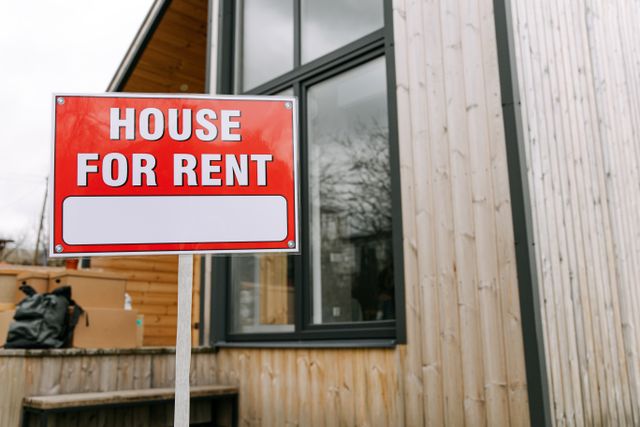
However, it’s not for everyone. Managing a rental can be incredibly demanding and time-consuming. It’s important to understand the responsibilities before listing your home for rent.
Owners who choose to self-manage should also familiarize themselves with the most common DIY landlord mistakes before accepting tenants.
The Pros of Renting Your House
• Stable Cash Flow. A well priced rental with reliable tenants can generate recurring rental income. Any remaining cash flow can support your savings or future investments.
• Appreciation Potential. Keeping the property allows you to benefit if its value rises over time while tenants help cover the costs of ownership.
• Potential Tax Benefits. Owners may qualify for several tax deductions, including eligible mortgage interest, property taxes, insurance, repairs, and operating expenses. Consult a tax professional for guidance.
• Portfolio Diversification. A rental property can provide both recurring income and potential appreciation, helping diversify your investment portfolio.
• Continued Ownership. Renting allows you to keep the property, preserve the option to sell later, or retain it for future personal or family use.
The Cons of Renting Your House
• Property Damage. Tenants may cause accidental or serious damage that exceeds the security deposit and delays the next lease.
• Vacancies. Expenses continue when the property is empty, including mortgage payments, taxes, insurance, utilities, and maintenance.

• Maintenance Costs. Repairs, inspections, turnovers, and major system failures can quickly become expensive, making adequate financial reserves essential.
• Market Competition. An overpriced or poorly presented rental may struggle to attract qualified applicants when competing properties offer better value or stronger marketing. Understanding how to price a rental property can help you set a competitive rate based on comparable homes, condition, amenities, and current demand.Run the Numbers Before Deciding
Your decision should be based on more than the potential sale price or monthly rent. Estimate how much money you would receive after mortgage payoff, commissions, closing costs, repairs, and possible taxes.
Then compare that amount with the rental’s expected income after accounting for maintenance, insurance, property taxes, vacancies, and management fees.
A property that appears profitable at first may produce limited cash flow once every expense is included. Reviewing both scenarios side by side can help you determine which option better supports your immediate needs and long term investment goals.
Bottom Line
Real estate can be a valuable long term investment, offering the potential for appreciation, equity growth, and recurring income.
Selling may provide access to your equity and eliminate ongoing ownership responsibilities, while renting can create a steady income stream and allow you to retain the property.
Neither option is universally better. The right choice depends on your financial goals, local market conditions, available reserves, and willingness to manage tenants and maintenance.
A professional property management company can help reduce the demands of rental ownership and determine whether keeping the property as an investment makes sense for your situation.
Frequently Asked Questions
Can I rent my house now and sell it later?
Yes. Renting does not prevent you from selling the property in the future. Holding the home may allow you to collect income and build additional equity before selling, but you will need to consider the lease term, property condition, market conditions, and possible tax consequences when choosing the right time.
Ravago Group Properties also offers sales services to its property management clients who later decide to sell.
How can I estimate whether my house will generate positive cash flow?
Start with a realistic estimate of the monthly rent, then subtract the mortgage, property taxes, insurance, maintenance, vacancy reserves, management fees, and other recurring expenses. The amount left over represents your estimated cash flow.
Owners should use current rental comparables rather than relying solely on advertised prices or general market averages.
Should I sell if I am moving away from Las Vegas?
Relocating does not automatically mean you need to sell. A full service property management company can oversee advertising, tenant placement, rent collection, maintenance, inspections, and communication while you live elsewhere.
Renting may be worth considering when the expected income supports the property’s expenses and you want to retain the asset for future use or appreciation.
How should necessary repairs affect my decision?
Consider how much work the property requires and whether those improvements would produce a worthwhile return. A home being prepared for rent should be clean, safe, functional, and able to compete with comparable listings.
If the cost of reaching that standard is too high, selling in its current condition may be more practical. However, completing strategic repairs could also improve both rental income and resale value.
What professional estimates should I obtain before choosing?
Request both a sales market analysis and a rental evaluation so you can compare the property’s likely sale proceeds with its potential rental performance.
The comparison should account for selling costs, expected rent, vacancy, repairs, ongoing ownership expenses, and your preferred investment timeline.
Reviewing both scenarios with real estate, property management, tax, and financial professionals can help you make a more informed decision.