
 Safe.jpg)
Key Takeaways
Use several layers of protection: Documentation, screening, maintenance, security measures, and insurance address different risks.
Respect privacy and local law: Property access, inspections, cameras, alarms, and lease terms must follow the rules that apply to the rental.
Document property condition: Move-in records and scheduled inspections help owners identify maintenance needs before they become more expensive.
Prepare for the unexpected: No checklist eliminates every risk, so owners still need emergency plans, reserves, and appropriate insurance.
Owning a rental property comes with ongoing risks, including property damage, missed rent, legal disputes, natural disasters, and security concerns. Protecting the home requires more than one device or document. Owners need a repeatable process for leasing, access, maintenance, safety equipment, recordkeeping, and emergency response.
Ravago Group Properties helps owners coordinate those responsibilities. The following eight steps can reduce avoidable risk while supporting a safer, better-maintained rental.
Eight Steps for Protecting Your Investment Property
Protecting a rental property rarely comes down to one dramatic decision. It is the result of consistent legal, operational, and maintenance habits that prevent small vulnerabilities from becoming expensive problems.
1. Familiarize Yourself With the Relevant Laws
Federal, state, and local rules can affect building safety, fair housing, applicant screening, security deposits, property access, maintenance, and eviction procedures. These requirements can change, and overlooking them may lead to penalties, disputes, or costly corrective work.
Owners should know which rules apply to the property and review their procedures as laws change. A property manager or qualified attorney can help identify areas that need closer attention, especially before an owner changes screening criteria, lease terms, fees, or enforcement practices.
2. Use a Comprehensive Lease Agreement
A written lease establishes the responsibilities of the owner and resident. It should address rent, due dates, late fees, maintenance reporting, authorized occupants, pets, property access, utilities, and other agreed terms. Clear language makes consistent management easier, but a lease does not replace legal advice or eliminate every dispute.
Use a state-appropriate document rather than copying a generic form from an unknown source. Ravago Group Properties' guide to rental agreement essentials outlines the provisions owners should consider when preparing or reviewing a lease. Any waiver, indemnity provision, or unusual penalty should receive legal review before it is used.
3. Screen Applicants Consistently
Screening reports can contain inaccurate or outdated records. The Consumer Financial Protection Bureau explains report contents, dispute rights, and report-based decision notices in its tenant background-check guidance. Owners should also verify identities and payment instructions before accepting funds or signing the lease.
Screening should follow written, lawful criteria that are applied in the same manner to every applicant. Depending on the policy and applicable law, the review may include identity, verifiable income, rental history, credit information, and relevant background information. Owners should document authorization, evaluation, and required notices while protecting personal data.
A thorough process supports an evidence-based decision, but it cannot predict every future event. Avoid subjective labels about applicants and do not treat screening as a guarantee against missed payments, property damage, or lease violations. Review the written criteria as laws and business practices change.
4. Build a Property Maintenance Plan
Wear and tear can become expensive when small problems are ignored. Roof and gutter leaks, plumbing failures, damaged seals, drainage problems, and aging equipment may lead to water damage, energy loss, pest activity, or larger repairs. A maintenance schedule helps owners move from emergency fixes to planned work.
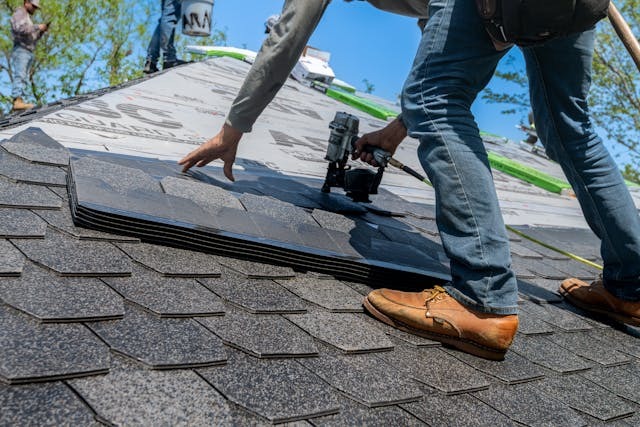
Include recurring HVAC service, filter changes, gutter cleaning, plumbing checks, exterior reviews, alarm tests, and seasonal tasks. Periodic walk-through inspections, completed with proper notice, can reveal conditions that residents have not reported. Monitor recurring condensation, drainage patterns, and ventilation concerns because they may point to moisture problems that are not immediately visible.
EPA's mold and moisture guidance also explains why leaks and damp materials require prompt attention.
Keep records of requests, inspections, invoices, photographs, and completed work. These records support budgeting and help show how the owner responded when a problem was reported.
5. Install and Maintain Safety and Security Systems
Locks, alarms, and other security measures can support the protection of the building and its residents. Change or rekey access between tenancies, account for keys and remotes, and follow manufacturer instructions for any connected device. Cameras should never be installed where a resident has a reasonable expectation of privacy, and owners should review local rules before recording audio or video.
Smoke and carbon monoxide alarms require regular testing and timely replacement. The U.S. Owners can coordinate those checks with a broader review of rental safety standards.
6. Improve Exterior Lighting
Well-placed exterior lighting helps residents and visitors navigate entrances, steps, walkways, parking areas, and service spaces after dark. Repair failed fixtures, use equipment intended for outdoor conditions, and position motion sensors so they are useful without creating excessive glare for neighbors.
Lighting is one part of general property upkeep, not a guarantee against crime or injury. Trim vegetation that blocks paths or sight lines, keep the address visible for emergency responders, and hire a qualified professional for electrical work.
7. Choose Strategic Home Improvements
Useful upgrades can help maintain the property's condition and appeal. Owners do not need to choose the most expensive finishes. Durable lighting, fresh exterior paint, improved storage, a secure entryway, and easy-to-maintain materials may provide more practical value than highly personalized renovations.

Base improvements on the building's needs, expected rent, resident use, and long-term maintenance costs. Document the condition before work begins, retain warranties and invoices, and avoid changes that create unnecessary safety or accessibility concerns.
8. Review Insurance and Emergency Planning
Tell an insurance professional how the property is used and ask which coverages, limits, endorsements, exclusions, deductibles, and vacancy provisions apply. A landlord policy may address some building, liability, and lost-rent risks, but policies differ and no single policy covers every event.
Keep emergency contacts, shutoff locations, vendor information, policy details, and property records accessible. Review coverage after major renovations or changes in occupancy, and encourage residents to discuss renters insurance with their own adviser rather than promising what a policy will cover.
Bottom Line
Protecting a rental property requires several coordinated steps: lawful procedures, a clear lease, consistent screening, planned maintenance, maintained safety equipment, useful lighting, sensible improvements, and appropriate insurance. Each layer addresses a different risk and should be reviewed as the property and applicable rules change.
Ravago Group Properties can help owners establish practical leasing and management routines that protect the investment while respecting the resident's use of the home.