
Key Takeaways
Nevada law requires rentals to be safe and habitable before tenants move in, including sound structures, plumbing, electrical, and heating systems.
Landlords must maintain key safety standards like fire protection, pest control, secure locks, and properly functioning utilities.
Regular inspections and maintenance are essential to stay compliant and avoid legal issues, fines, or tenant disputes.
Nevada law requires all rental units to meet strict habitability standards before tenants move in. In cities like Las Vegas, Henderson, and Reno, some landlords assume working lights and locks are enough.
True compliance goes much deeper. Landlords must follow state rules on structural integrity, fire safety, weatherproofing, plumbing, heating, and utilities to ensure the property is safe, secure, and fully ready for legal occupancy.
Failing to meet these standards can trigger serious consequences, from tenants legally withholding rent to costly lawsuits and municipal fines.
To make compliance clearer, Ravago Group Properties created this guide. It breaks down the core safety requirements Nevada landlords must satisfy to safeguard their properties, avoid liability, and provide tenants with secure, legally compliant housing across the state with confidence.
Understanding the Habitability Requirements in Nevada
Nevada’s Residential Landlord and Tenant Act requires rentals to be safe, sanitary, and livable. Homes must have sound roofs, weatherproofed walls, and secure, well-sealed windows and doors to prevent leaks, drafts, and hazards that could threaten tenant health or safety.
Plumbing systems must comply with local codes, providing reliable hot and cold running water connected to an approved sewage system. Landlords are expected to address leaks or water issues promptly, ensuring essential systems remain fully functional.
Electrical, Heating, and Cooling Standards
Southern Nevada’s extreme heat makes climate control a vital safety issue. Landlords must maintain heating systems under state law. While air conditioning isn’t always legally required, local rules especially in Clark and Washoe Counties often mandate cooling, and provided units must be properly maintained.
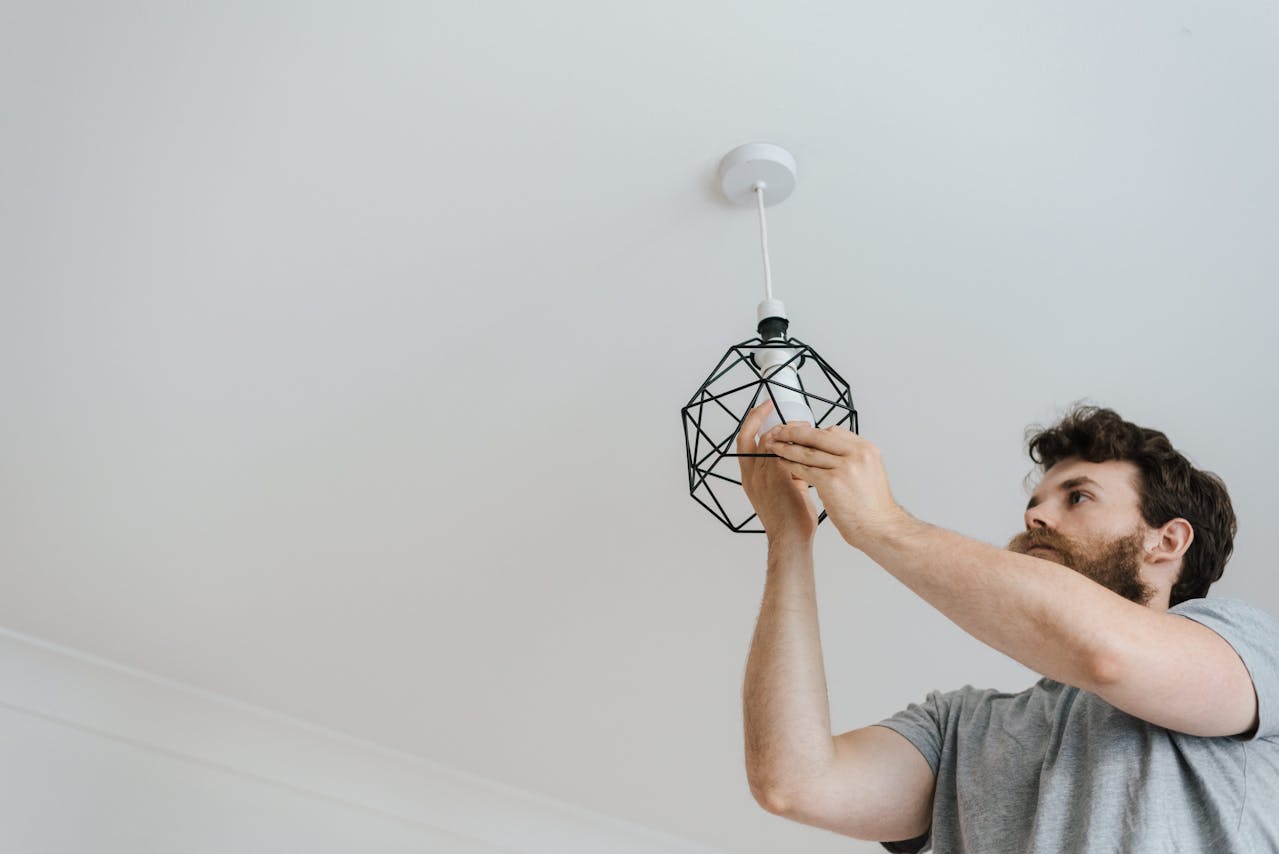
Electrical systems must also be safe and up to code. Lighting, wiring, outlets, and breaker panels should be regularly inspected. Exposed wires, overloaded circuits, or flickering lights signal potential fire hazards that must be addressed immediately.
Fire Safety and Prevention Measures
Fire safety is a critical part of any rental inspection in Nevada. State law requires functioning smoke detectors in residential units, and best practice calls for installing them in every bedroom and in hallways outside sleeping areas.
Homes with gas appliances or attached garages should also include carbon monoxide detectors to prevent dangerous, undetected exposure that can quickly become life-threatening.
Every rental must also offer a secondary escape route in the event of a fire. Bedroom windows should be large enough for safe exit if the main door is inaccessible. Fire extinguishers belong in kitchens and should be serviced yearly. Hallways and shared spaces must stay clear for evacuation.
Pest Control and Sanitation
To meet Nevada’s habitability standards, rental properties must be free from rodents, insects, and other pests. Generally, landlords are responsible for pest control unless infestations result from a tenant’s negligence. Before a new tenant moves in, the unit should be thoroughly cleaned, and all trash, food waste, and debris removed to prevent attracting pests.
The building exterior should be sealed to block entry points. Damaged window screens, wall cracks, and gaps under doors should be repaired promptly. In areas prone to scorpions or cockroaches, regular professional treatments are recommended. Maintaining a clean, sanitary environment is essential for legal compliance.

Security and Locking Mechanisms
Tenants are entitled to feel safe in their rental homes. Nevada law requires landlords to provide working locks on all exterior doors. Often, locks are changed or rekeyed between tenancies to prevent former tenants or their acquaintances from gaining unauthorized access.
Windows must also have secure latches or locks, and sliding glass doors benefit from secondary locks or security bars. Proper exterior lighting in parking areas, walkways, and entry points further enhances safety, deterring potential criminal activity.
Together, these measures create a secure environment, helping landlords meet legal obligations while protecting tenants and their property.
The Importance of Regular Maintenance Inspections
Safety standards are not a one time checklist. A property that is safe today may develop hazards over the course of a year. Routine inspections are the best way to catch small issues before they become dangerous or expensive. During these walk throughs, landlords should check for signs of mold, water damage, or structural wear.
Nevada law requires landlords to provide at least twenty four hours of notice before entering a property for repairs or inspections. Respecting this boundary while staying diligent with maintenance helps build a positive relationship with tenants. It also provides a paper trail showing that the landlord is proactive about maintaining safety standards.
Why Professional Management is the Safest Choice
Managing a rental property in Nevada involves staying updated on changing local and state regulations. For an individual landlord, keeping track of smoke detector expiration dates, HVAC service intervals, and new habitability statutes can be overwhelming. Missing a single detail can lead to a property being flagged as unsafe.

Hiring a professional property management company is the most effective way to ensure a rental meets all safety standards. Management firms have established relationships with licensed contractors who understand local building codes.
They also use standardized inspection checklists to ensure nothing is overlooked. By delegating these tasks, owners can rest assured that their property remains compliant and their liability is minimized.
Bottom Line
Meeting Nevada’s safety standards requires thorough property maintenance. Landlords must ensure plumbing and electrical systems work, provide fire protection, and manage pest control.
Maintaining a safe, habitable home protects tenants and preserves the property’s long-term value. Regular inspections and proactive repairs are essential for compliance and are key to running a successful, responsible rental business.
Ravago Group Properties can help landlords navigate these requirements with ease. Our team specializes in managing Nevada rentals and ensuring every property under our care meets or exceeds state safety standards.
We handle everything from move in inspections to emergency repairs and vendor management. If you want to ensure your rental property is safe, legal, and profitable, contact Ravago Group Properties today to learn more about our comprehensive management services.