
.png)
Key Takeaways
- Systems Matter: Remote management works best with structured processes, not informal oversight.
- Communication Is Critical: Clear reporting prevents small issues from becoming costly problems.
- Market Awareness Counts: Staying informed helps you price correctly and avoid vacancies.
- Speed Protects Value: Fast repairs reduce damage and maintain tenant satisfaction.
- Support Improves Efficiency: Professional management can streamline operations and reduce delays.
Introduction
Most conversations about long-distance landlording focus on the distance itself, delays, and lack of control.
In Las Vegas, where mobility is common and investor ownership is widespread, remote management is becoming more common.
The real question is not whether distance is a disadvantage. It is whether you are treating your rental like a passive liability or a structured asset.
Our Ravago Group Properties team has prepared this guide to help you find out, and overcome the challenges that come with distance.
Distance Forces Discipline
Local landlords often rely on proximity. They check in personally, handle issues informally, and respond as needed. While convenient, this can lead to inconsistency.
Managing from another city removes that option. You need clear systems for communication, maintenance, rent collection, and inspections.
This shift often improves efficiency. Instead of reacting, you follow defined processes. Instead of guessing, you rely on documented information.

In Las Vegas, where rental demand can shift with seasonality and migration trends, a system-driven approach helps maintain stability.
Your Tenant as a Key Connection
When you are not physically present, your tenant becomes your primary source of day-to-day information.
This does not mean relying on trust alone. It means selecting tenants who communicate clearly and report issues promptly.
A well-screened tenant helps maintain the property and reduces uncertainty. Poor communication, on the other hand, creates gaps that can lead to higher costs.
Silence Is the Real Risk
Many assume distance is the biggest challenge. In reality, delayed information is the greater risk.
Small issues such as leaks or HVAC strain can escalate quickly, especially in the Las Vegas climate. Heat and constant use increase wear on major systems.
Without clear reporting processes, problems may go unnoticed until they become expensive to fix.
Structured communication reduces this risk. Regular check-ins, defined reporting channels, and prompt responses keep issues under control.
Stay Aligned with the Market
Las Vegas is a dynamic rental market. New developments, population shifts, and economic changes all influence pricing.
Local landlords often pick up on these changes naturally. Remote owners must track them intentionally.
Failing to monitor trends can lead to underpricing or extended vacancies. Overpricing in a slower market can have the same effect.
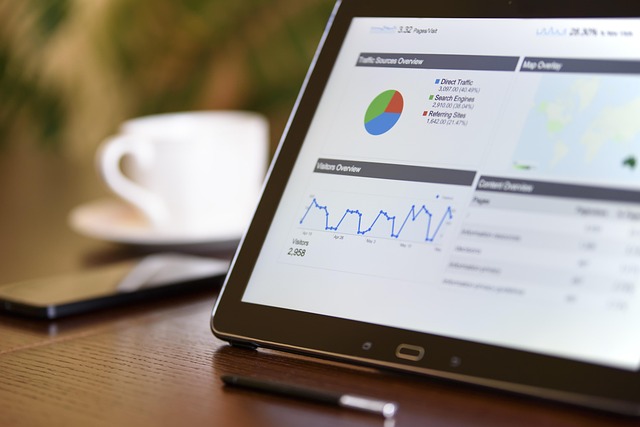
Treat your property like an investment asset. Staying informed helps you adjust quickly and maintain performance.
Repairs Require Speed
Cost matters, but speed matters just as much. Delayed repairs and renovations can lead to larger issues and higher expenses.
In a climate that puts pressure on cooling systems and plumbing, timing plays a direct role in outcomes.
Having a network of local vendors in place ensures you can act quickly. Waiting until a problem occurs puts you at a disadvantage.
Efficient landlords treat maintenance as an ongoing system, not a one-time task.
Visit With Purpose
Even well-managed remote properties benefit from occasional visits. The goal is not to catch problems, but to refine your understanding.
Reports and photos provide useful information, but they do not capture everything. Subtle wear, surrounding activity, and market positioning are easier to assess in person.
These visits help confirm whether your property remains competitive and aligned with current expectations. It also aids in assessing whether or not the property’s curb appeal has been maintained.
The Real Challenge Is Bandwidth
Distance alone does not create problems. Limited time and attention often do.
Managing tenants, repairs, finances, and compliance with laws and safety standards can become overwhelming. As responsibilities grow, delays become more common.
These delays reduce efficiency, which can affect your bottom line. At a certain point, it becomes necessary to reassess how the property is managed.
Professional Management as a Solution
Many owners transition to professional management as their portfolios grow.

This is not about capability. It is about efficiency.
A property management team provides structure, coordinates vendors, and enforces lease terms consistently.
They also act quickly, which is difficult to replicate remotely. With the right support, remote ownership becomes more predictable and less time-consuming.
Conclusion
Long-distance landlording is not a limitation. It is a different approach to ownership.
With the right systems, communication, and market awareness, it can deliver strong and consistent results. The key is shifting from hands-on management to structured oversight.
If you want your Las Vegas rental property to operate smoothly without unnecessary delays or stress, professional support can make a meaningful difference.
At Ravago Group Properties, we’ll show you the difference it makes when you have us in your corner.