
_5.jpg)
Key Takeaways
Rental income isn't the same as profit. Taxes, insurance, maintenance, vacancy, management fees, and other costs reduce what owners retain.
Las Vegas properties have specific maintenance demands. Extreme heat makes air-conditioning upkeep especially important, while association dues and turnover can further affect expenses.
Plan for both predictable bills and unexpected costs. A realistic budget separates operating expenses from mortgage payments and sets aside reserves for repairs and vacancies.
Collecting rent is only one part of operating a successful rental property. Even a home with steady demand can produce disappointing returns if an owner overlooks maintenance, vacancies, insurance, or other expenses.
For Las Vegas and Henderson landlords, heat and community requirements add further considerations.
At Ravago Group Properties, we understand the importance of evaluating these costs before estimating profitability. Here's how to assess expenses and what your property may actually earn.
Understand Operating Costs and Cash Flow
Operating expenses are the costs of running and maintaining a rental, such as taxes, insurance, maintenance, management, and certain utilities.
Mortgage payments are important to your cash flow, but principal repayment is not an operating expense: it reduces debt and builds equity.
Similarly, money placed in a reserve account isn't necessarily an expense when you set it aside. It is cash you retain to cover future costs.
To understand monthly cash flow, start with rent collected and subtract operating expenses, mortgage payments, and any other cash outlays. Retain some remaining cash for future vacancies or repairs.

Looking at operating costs and cash flow separately also makes it easier to compare properties with different financing arrangements.
Account for Fixed Ownership Costs
Some bills continue even when a property is empty. Include these in your baseline budget:
Mortgage payments: Principal and interest, if the property is financed.
Property taxes: Costs based on the property's current assessment and applicable tax rules.
Insurance: Coverage appropriate for a tenant-occupied property, including relevant deductibles and exclusions.
Association charges: Regular HOA dues and possible special assessments.
Confirm amounts for the specific address instead of relying on neighborhood estimates. For association properties, review budgets, rules, and reserve information. Changes in premiums or dues can affect cash flow.
Include Property Management Fees
Professional management can help coordinate leasing, rent collection, maintenance, tenant communication, and reporting.
The cost depends on the provider and agreement. Some managers charge a percentage of collected rent, while others use a flat monthly fee.
Ask whether separate charges apply for placement, lease renewals, inspections, maintenance coordination, or setup. Confirm any minimum fees and whether management charges continue during vacancy.
Understanding what to expect from property management fees can help you budget for leasing, rent collection, maintenance coordination, and other services.
Budget for Maintenance and Major Repairs
Knowing how to maintain your rental property can help you plan for routine upkeep, including HVAC servicing, filter replacement, plumbing repairs, pest control, and appliance maintenance.
Larger expenses, such as a roof replacement or a failed cooling system, are less frequent but can have a greater financial impact.

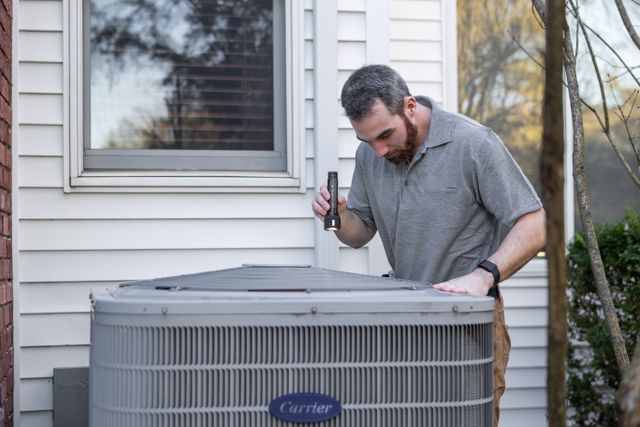
Air conditioning deserves particular attention in Las Vegas. Prolonged high temperatures place substantial demands on cooling systems.
Schedule appropriate servicing, track equipment age, and maintain contact with qualified contractors who can respond when urgent work is needed.
Sun exposure, wind, and occasional heavy rain can also affect roofing, exterior paint, sealants, and drainage. Regular inspections can help identify developing problems before they require more extensive repairs.
Allow for Vacancy and Tenant Turnover
A vacant property produces no rental income, but mortgage payments, taxes, insurance, and certain utilities continue.
Even a well-maintained rental may have gaps between leases, so account for expenses during vacancy rather than assuming twelve months of collections.
Turnover is a separate cost. Preparing a property for the next tenancy can involve cleaning, repairs beyond ordinary wear, marketing, inspections, and utilities during the transition. Do not assume every expense can be recovered.
Set rent using relevant comparable listings, keep the property in good condition, and begin planning for lease expirations early. Use consistent, legally compliant application and leasing practices throughout the process.
Check Utilities and Recurring Services
Depending on the lease and property, owners may cover water, trash, electricity in common areas, landscaping, pool service, or other recurring work.
An empty home may still need electricity and water for maintenance, showings, and protection of building systems.
Spell out responsibility for utilities and services in the lease, consistent with applicable requirements. Check whether HOA services are included in dues or billed separately.
Review which services are the landlord's responsibility before advertising the rental, especially when an association maintains shared spaces.
Build Reserves for Unplanned Expenses
A cash reserve helps you respond to a major repair or prolonged vacancy without relying entirely on the next rent payment. Consider keeping separate amounts for routine repairs, large capital projects, and periods with no rent.
There is no universal reserve amount. A property's age, roof and HVAC condition, insurance deductibles, financing, and the owner's overall financial position all affect what is reasonable.
Review your reserves after a significant expense and adjust them as equipment ages or risk changes.
Reserves improve financial resilience, but do not confuse money set aside with a bill already paid. Record actual expenses when they occur.
Create and Review an Annual Rental Budget
Start with a realistic estimate of collected rent, not just the advertised asking price. When calculating rental cash flow, account for fixed costs, variable expenses, vacancy, turnover, and planned major work.
A useful review should answer three questions:
What did the property collect? Compare actual rent received with your projected income.
What did it cost to operate? Track taxes, insurance, maintenance, services, and management charges.
What cash remains? Factor in mortgage payments and determine what to retain for future expenses.

Review results periodically and investigate significant differences. Keep invoices, statements, and repair records organized so you can assess performance and provide accurate information to your tax professional.
Consider Nevada Compliance Costs
Nevada landlord-tenant requirements address property maintenance, deposits, notices, and other responsibilities. Depending on the property, association rules and local requirements may also apply.
Verify current obligations through official sources and seek legal advice when a question depends on your circumstances.
Compliance may require repairs, documentation, or professional advice. Use clear lease terms and consistent procedures for all applicants and tenants.
Bottom Line
Understanding rental operating costs helps you evaluate your property's financial performance and make informed investment decisions.
A realistic budget should account for maintenance, vacancies, turnover, mortgage payments, and reserves. Regularly reviewing income and expenses can also help identify opportunities to reduce costs and improve returns.
For owners seeking additional support, professional property management can simplify rent collection, maintenance coordination, financial reporting, and daily operations.
With careful budgeting and reliable management, you can better protect your investment and support long-term rental performance.
Frequently Asked Questions
What Are the Biggest Operating Costs for a Las Vegas Rental?
Common costs include property taxes, insurance, maintenance, management fees, and any association dues or owner-paid utilities.
Vacancy and turnover also affect returns. Mortgage payments are an additional cash-flow obligation, although principal repayment builds equity rather than counting as an operating expense.
How Much Should I Save for Repairs and Vacancies?
The appropriate reserve depends on the property's condition, equipment age, insurance deductibles, and your ability to cover unexpected bills. Set aside funds regularly and review the amount after major repairs or changes in occupancy.
Do I Need to Budget for Vacancy if My Rental Is in Demand?
Yes. Demand does not eliminate the possibility of time between tenants or missed collections. Include a realistic vacancy allowance and account for cleaning, marketing, and repairs during turnover.
What Does a Property Manager Typically Charge?
Managers may charge a percentage of collected rent or a flat fee, with separate charges for leasing, renewals, inspections, or other services. Request a full written fee schedule and compare what is included before signing.
Are Legal and Compliance Costs Part of a Rental Budget?
They can be. Property maintenance obligations, deposit procedures, documentation, and legal questions may create expenses. Review applicable Nevada and local requirements and consult a qualified professional when needed.